



September 1, 2026
If an unexpected disruption hit your Laramie business tomorrow, could your team keep serving customers, protect sensitive information and explain what happened afterward?
For a regulated organization, getting systems back online is only part of the job. You may also need to preserve records, follow an approved response process, communicate carefully and show that reasonable safeguards were in place. That is a lot to sort out while phones are ringing and employees are waiting for direction.
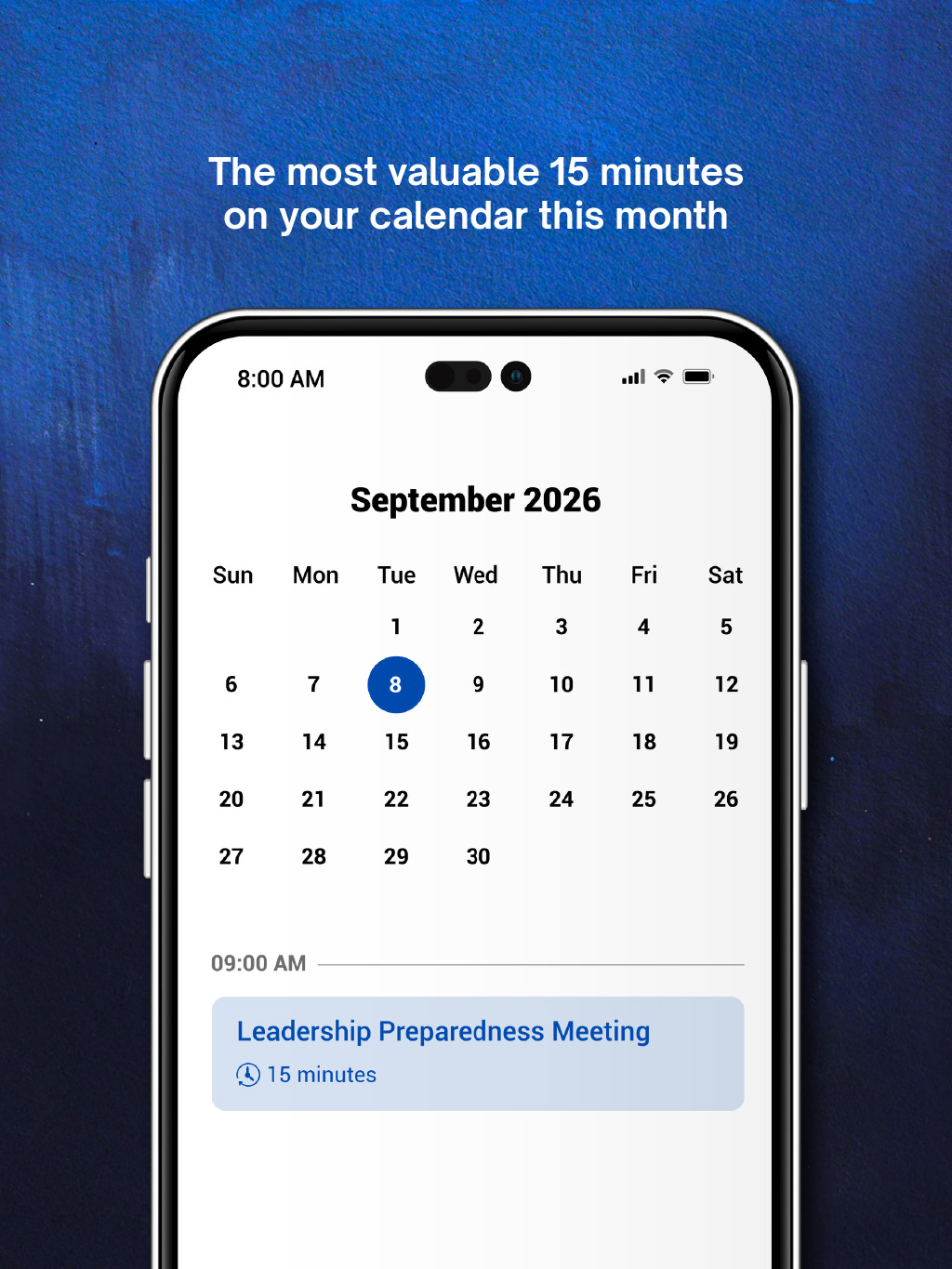
September is National Preparedness Month, making it a practical time to pressure-test your readiness. You do not need an all-day meeting or a binder thick enough to stop a Wyoming wind gust. Start with 15 minutes, the right people and five direct questions.
1. What would need to be restored first, and how long can it be unavailable?
Your team probably knows which technology it uses every day. The harder question is which systems support your most critical services and regulated responsibilities. If operations stopped, what would need to return first to protect customers, patients, members, clients, public services or essential business records?
For a Laramie healthcare practice, that might be access to patient information and scheduling. For a financial organization, it could be transaction systems and secure member communication. A law firm, accounting firm, municipality or government contractor will have its own priorities. The important thing is to agree on the order before a disruption decides it for you.
Set a realistic limit for how long each critical function can be unavailable and how much data the organization could tolerate losing. Those answers should guide your backup, recovery and continuity plans.
2. Who can make decisions, and who documents them?
A disruption exposes unclear ownership quickly. When nobody knows who can isolate a system, contact a vendor or approve an employee update, the response slows down. When several people assume they are in charge, the situation can become just as confusing.
Identify who leads the response, who works with IT, who communicates with employees and customers, and who brings in leadership, legal counsel, insurance or compliance resources when appropriate. Regulated businesses should also decide who keeps a clear record of what was discovered, what actions were taken and when those actions occurred.
The goal is not a complicated chain of command. It is a short, usable plan that helps people act within their authority when normal routines break down.
3. How would we communicate if our normal tools were unavailable?
Email, cloud platforms and phone systems feel dependable until an outage, cyber incident or provider failure makes them unavailable. At that point, employees may reach for personal email, consumer messaging apps or improvised workarounds just to keep moving.
That instinct is understandable, but it can create new privacy, security and recordkeeping problems. Your backup communication plan should tell employees where to find trusted instructions, how leadership will share updates and which alternate tools are approved for business information.
Ask how customers, patients, members or community partners would reach you if the usual phone number or portal stopped working. Keep essential contact information somewhere the right people can access even when the network cannot.
A backup communication plan does not need to be fancy. It needs to be secure, current and familiar enough that employees will actually use it.
4. What single dependency could bring too much of our work to a halt?
Some of the biggest risks are ordinary tools and relationships that work so reliably nobody thinks about them. It may be an internet connection, a cloud application, a third-party provider, one administrator account or an employee who knows a process that has never been documented.
Laramie organizations often run with practical, close-knit teams, which is a strength until too much knowledge or access rests with one person. A regional outage, severe weather, a vendor issue or a compromised account can quickly expose that dependency.
Choose the dependency that concerns your team most and ask what the fallback would be. The answer may point to better documentation, an alternate connection, stronger account controls, vendor escalation information, cross-training or a tested manual process.
5. What evidence would we wish we had after the disruption?
Regulated businesses need more than confidence that backups probably work or that someone updated the security settings. They need reliable information that shows what was protected, what was tested and how the organization responded.
Your team may wish it had a current system inventory, a recent backup restoration test, an updated incident contact list, documented vendor responsibilities or a record of employee security training. You may also discover that policies describe a process nobody has practiced.
Preparedness turns assumptions into answers. The best time to discover that a recovery plan is incomplete is during a calm Tuesday meeting, not during an outage or security incident.
Where the right IT partner fits
After working through these five questions, you will know which answers are supported by a clear process and which ones depend on memory, luck or an untested promise.
That is where the right IT partner can help your leadership and internal IT team.
A good partner helps you identify technology dependencies, document critical systems, test restoration procedures, verify that security controls are working and connect technical decisions to your operational and compliance responsibilities.
At DigeTekS, the goal is not to make preparedness feel more technical or take control away from your team. It is to give Laramie leaders clearer answers, defined ownership and a practical path forward before pressure hits.
Put this meeting on your calendar
Schedule the 15-minute conversation and invite the people responsible for leadership, operations, IT and compliance.
If your team can answer all five questions clearly and point to current documentation or test results, you have a stronger foundation for business continuity. If an answer begins with “I think” or “someone probably has that,” you have found a useful place to start.
Schedule a discovery call with DigeTekS to identify hidden dependencies, strengthen your preparedness strategy and build a recovery plan that supports the way your regulated Laramie organization actually works. Visit www.digeteks.com to start the conversation.