

October 14, 2026
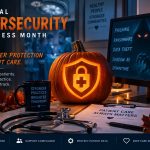
October brings cooler weather, Halloween decorations, and plenty of things that go bump in the night.
For private surgical centers and medical practices, however, the biggest threats aren't ghosts and goblins. They're phishing emails that look legitimate, unauthorized access to patient data, and cybercriminals looking for an opportunity to disrupt operations.
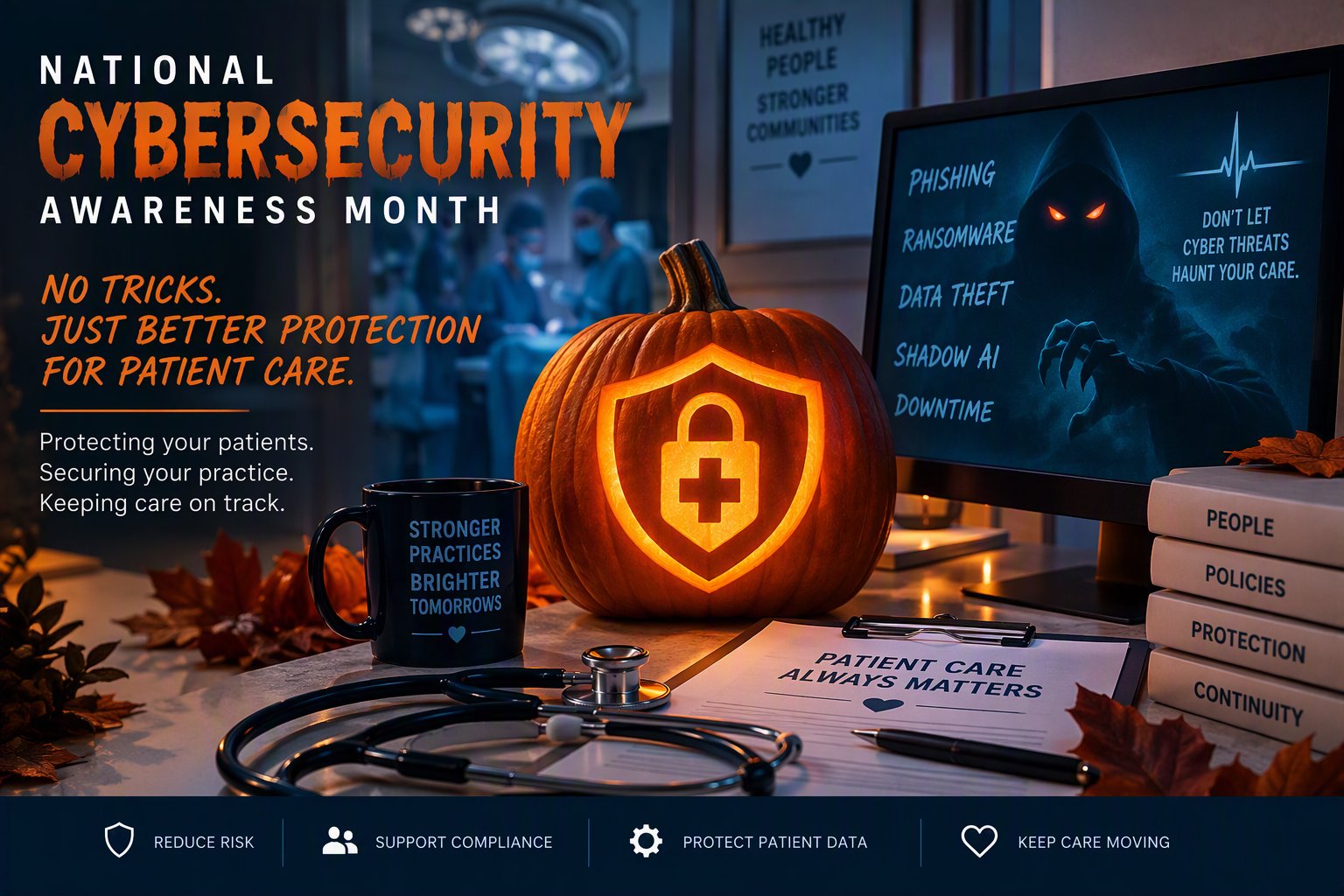
That's why National Cybersecurity Awareness Month is such an important reminder.
Cybersecurity isn't just about protecting computers. In healthcare, it's about protecting patient trust, supporting compliance, safeguarding sensitive information, and ensuring providers can continue delivering care when patients need it most.
The Scariest Threats Don't Look Scary Anymore
Years ago, cybersecurity threats were often easier to spot.
Suspicious emails contained obvious mistakes. Fraudulent requests looked unusual. Fake websites stood out.
Today's threats are different.
Cybercriminals now use artificial intelligence, social engineering, and stolen information to create communications that appear professional and trustworthy. An email may appear to come from a billing partner. A message may seem to originate from a physician, administrator, or vendor. A request for patient information may arrive looking completely legitimate.
In healthcare, where speed and responsiveness are critical, attackers count on busy staff making quick decisions.
That's why cybersecurity awareness is no longer an IT issue. It's an organizational responsibility.
Healthcare Remains a Target
Healthcare organizations continue to face elevated cyber risk because they manage valuable information and provide essential services.
A real-world example occurred in Colorado when Axis Health System, a healthcare provider with locations across western and southwestern Colorado, reported a cyber incident that affected operations, including its patient portal. Reports indicated the ransomware group Rhysida claimed responsibility for the attack, and the organization launched its incident response procedures while investigating the incident. [healthcaredive.com], [hipaajournal.com]
While large hospital systems often receive the most media attention, private surgical centers and physician practices face many of the same challenges:
- Limited internal IT resources
- Increasing compliance requirements
- Growing dependence on cloud applications
- Third-party vendor risk
- Employee phishing exposure
- Protection of patient and financial data
Cybercriminals frequently look for organizations that are focused on patient care but may not have dedicated cybersecurity teams monitoring threats around the clock.
Three "Monsters" Every Medical Practice Should Watch For
The Phantom Email
The email appears to come from a trusted source.
It references a known vendor, a surgery schedule, an invoice, or an internal request. Nothing seems unusual at first glance.
Before clicking links, downloading files, or sharing information, employees should verify unexpected requests and follow established procedures.
The goal isn't suspicion. The goal is verification.
The Invisible Insider
This isn't a malicious employee.
It's the former employee account that was never disabled. The shared login credentials that several people still use. The vendor account with more access than necessary.
Many cybersecurity risks come from excessive permissions rather than sophisticated hacking techniques.
Regular access reviews can help ensure only authorized individuals can reach sensitive systems and patient data.
The Shadow AI Monster
AI tools are becoming increasingly popular in healthcare and administrative operations.
The challenge isn't necessarily the technology itself. It's using these tools without understanding how patient information is handled, stored, or protected.
Every healthcare organization should have clear guidance regarding:
- Which AI platforms are approved
- What information can be entered into AI systems
- How AI-generated content should be reviewed
- Who approves new AI tools before adoption
Strong AI governance helps organizations embrace innovation while protecting patient privacy.
Cybersecurity Doesn't Have to Be Complicated
Many healthcare leaders assume they need complex solutions to reduce cybersecurity risk.
In reality, some of the most effective protections are also the most practical:
- Multi-factor authentication
- Security awareness training
- Strong password policies
- Vendor security reviews
- Regular system updates
- Tested backups
- Incident response planning
- Clear AI usage policies
These foundational controls help create a stronger security posture without disrupting patient care.
A Reason for Optimism
The healthcare industry faces real cybersecurity challenges, but there is good news.
Most successful cyberattacks don't occur because organizations lack expensive technology. They happen because of overlooked gaps, unclear processes, or simple human error.
Those are problems that can be identified, improved, and managed.
Organizations that invest in employee awareness, strong policies, appropriate safeguards, and trusted technology partnerships are significantly better positioned to reduce risk and recover quickly if an incident occurs.
The goal isn't perfection.
The goal is progress.
This National Cybersecurity Awareness Month, take time to review your policies, evaluate your safeguards, and have conversations with your team about their role in protecting patient information.
Small improvements made today can create a stronger, more resilient organization tomorrow.
Focus on What Matters Most: Patient Care
At DigeTekS, we help private medical practices and surgical centers strengthen cybersecurity, support compliance requirements, improve AI governance, and build resilience without losing focus on patient care.
Because the best cybersecurity strategy isn't driven by fear.
It's driven by confidence, preparation, and a commitment to protecting the patients who trust you every day.
Schedule a complimentary 10-minute discovery call with DigeTekS to discuss your cybersecurity, compliance, and technology goals.
📞 833-443-8357
🌐 digeteks.com