


October 13, 2026
It’s 4:17 on a Friday afternoon.
An employee receives an email that appears to be from the company owner:
"Can you send me the updated banking information before you leave?"
The sender's name looks right. The tone feels familiar. Everyone is trying to finish the week and head home.
Responding quickly seems like the easiest option.
There’s just one problem.
The owner never sent the email.
While technology can block many threats, the most important security decisions often happen in real time when an employee must decide whether to trust an email, click a link, share information, or report something unusual.
And that's why cybersecurity can never be viewed as solely an IT responsibility.
The Dangerous Assumption Many Businesses Make
Many organizations believe cybersecurity happens behind the scenes.
The IT department manages the systems. Security software is installed. Updates occur automatically. Everything is handled.
But cybersecurity is tested every day through the decisions employees make.
Every email opened. Every file shared. Every password created. Every payment request approved.
For regulated organizations, those decisions can affect compliance, business continuity, customer trust, and financial stability.
The reality is simple:
A security strategy is only as strong as the people using it.
Technology Can't Make Every Decision
Modern cybersecurity tools do an incredible job filtering threats before employees ever encounter them. Firewalls, email filtering, endpoint protection, and monitoring systems all play an important role.
But even the best technology has limitations.
Today's cybercriminals create phishing emails that mirror familiar writing styles, reference legitimate vendors, and closely resemble normal business communications. They exploit trust, urgency, and routine business processes.
Consider these situations:
- A vendor requests updated payment information.
- An executive asks for an urgent wire transfer.
- A customer shares a document through an unfamiliar link.
- An employee receives a request for login credentials.
Technology may flag some of these communications, but eventually someone must make a decision.
That person is often not in IT.
It's the employee sitting at the keyboard.
"Be Careful" Is Not a Cybersecurity Strategy
Many organizations tell employees to be cautious about suspicious emails.
But what happens when someone actually encounters one?
Do they know:
- Who to contact?
- How to verify a request?
- What steps to take before clicking a link?
- How to report a potential phishing attempt?
- What to do if they accidentally clicked something they shouldn't have?
Without clear guidance, employees are left making high-risk decisions on their own.
Some hesitate because they don't want to bother leadership.
Others stay silent because they're afraid they made a mistake.
Unfortunately, delays in reporting can give attackers valuable time to gain access, steal data, or move deeper into systems.
The goal isn't just awareness.
The goal is creating a process employees can confidently follow.
Leadership Sets the Standard
Cybersecurity culture starts at the top.
Employees pay attention to what leadership does, not just what leadership says.
If leaders routinely bypass procedures because they're in a hurry, employees learn that convenience outweighs security.
If managers discourage questions, employees become hesitant to report concerns.
If mistakes are met with blame instead of education, employees become less likely to speak up when something goes wrong.
On the other hand, organizations become significantly stronger when leadership:
- Encourages employees to verify unusual requests
- Supports team members who ask questions
- Normalizes cybersecurity conversations
- Reinforces security policies consistently
- Treats incident reporting as a positive action
When employees feel safe raising concerns, threats are identified faster and incidents are often contained before they become major business disruptions.
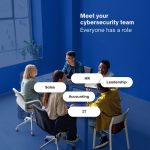
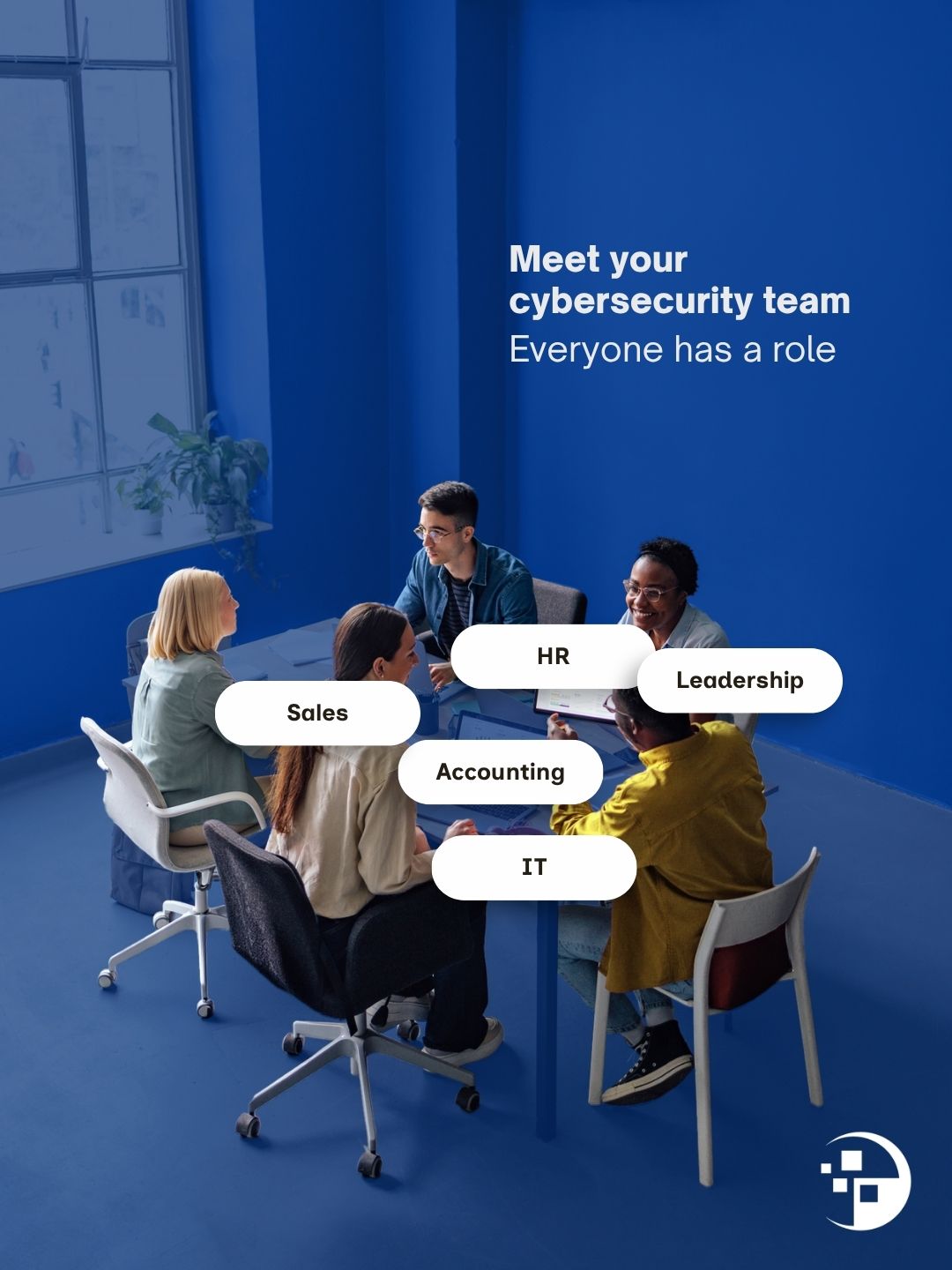
Cybersecurity Works Best When Everyone Knows Their Role
Let's go back to that employee at 4:17 on Friday afternoon.
The goal isn't to make them suspicious of every email that arrives in their inbox.
The goal is to ensure they know exactly what to do when something feels off.
They should know:
- How to verify a request
- Who to contact for assistance
- When to escalate a concern
- Why reporting potential threats matters
Employees don't need to become cybersecurity experts.
They need clear expectations, practical training, and confidence that speaking up is always the right decision.
Building a Security-First Culture
Creating a resilient organization requires more than annual security awareness training.
It requires:
- Ongoing employee education
- Clear cybersecurity policies
- Documented response procedures
- Leadership engagement
- Regular testing and review of security practices
- A trusted technology partner who helps identify and reduce risk
For regulated businesses, these practices don't just improve security. They support compliance requirements, strengthen business continuity, and help protect the sensitive information customers trust you to safeguard.
Turn Employees Into Your Strongest Line of Defense
At DigeTekS, we help organizations strengthen security by combining technology, policies, employee awareness, and practical risk-management strategies.
Our goal is simple: help your business stay secure, compliant, and prepared for whatever comes next.
Cybersecurity is everyone's responsibility, but you don't have to manage it alone.
Schedule a complimentary 10-minute discovery call with DigeTekS to identify potential gaps in your cybersecurity strategy and learn practical steps to strengthen your defenses.
📞 833-443-8357
🌐 www.digeteks.com
Let's build a cybersecurity strategy that protects your business, supports your compliance goals, and helps ensure business continuity when it matters most.